
"bean spelling"
600 article(s) found
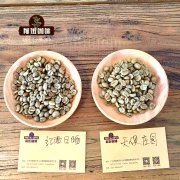
Where is the largest coffee producer of Yemeni coffee? the basics of Yemeni coffee.
Professional coffee knowledge exchange more coffee bean information please follow Coffee Workshop (Wechat official account cafe_style) Yenmen Yemeni population: 25235000 Please pay attention to the westernized spelling of place names in Yemen, which changes quite a lot and varies here. Each region in Yemen is a province, not by geography. There are 21 provinces in Yemen, but only 12 grow Yemeni coffee

What kind of Italian beans do we need?
Following Cafe Review (Wechat official account vdailycom) found that coffee beans tend to focus on the unique characteristics of a certain type of coffee when a beautiful cafe opens its own shop. And blended coffee, also known as mixed coffee, is to mix all kinds of single coffee beans together, so as to give full play to the strengths of various single coffee beans, learn from each other and make up for their weaknesses in taste.

Unveil the mystery of coffee allusions
Who first thought of roasting the seeds of coffee trees? And why?

Latte coffee English name Latte introduction to the flavor and taste characteristics of latte coffee
Professional coffee knowledge exchange more coffee bean information Please pay attention to the coffee workshop (Wechat official account cafe_style) English loanwords can be found everywhere, but purebred English words are in the minority. I have previously introduced Latin (such as vice versa and vice versa) and French (such as dj vu deja vu) in English. I believe readers will still have an impression. We will continue our efforts in this issue.

What does chocolate mocha have to do with Yemeni mocha coffee? How to drink Yemeni mocha coffee?
Professional coffee knowledge exchange more coffee bean information Please follow the coffee workshop (Wechat official account cafe_style) has the most unique, rich and fascinating complex smell in the world: red wine, wild game, dried fruit, blueberry, grape, cinnamon, tobacco, sweet spices, log and even chocolate, you can see various adjectives used in Yemeni mocha.

Yemeni coffee beans with endless aftertaste Geographical location Climate Altitude Profile
Yemen coffee origin: Yemen produces bean-shaped berry coffee beans (Peaberrybean): This coffee bean is smaller and rounder than most coffee beans, looks like peas, and is sometimes called mocha coffee beans. Mocha coffee beans are similar in shape to Ethiopian Harrar coffee beans, which are granular.

Yemeni coffee farm producing areas grow coffee beans varieties of Yemeni coffee what are the boutique coffee beans?
For more information on coffee beans, please follow the coffee workshop (Wechat official account cafe_style) Coffee production in Yemen: bean-shaped berry coffee beans (Peaberrybean): these beans are smaller and rounder than most and look like peas, sometimes known as mocha coffee beans. The shape of mocha coffee beans is similar to that of Ethiopia's Ha.

Yemen mocha coffee beans what kind of_mocha coffee beans ranking_single mocha coffee beans characteristics
Yemeni coffee origin: Yemen produces bean-shaped berry coffee beans (Peaberrybean): This coffee bean is smaller and rounder than most coffee beans, looks like peas, and is sometimes called mocha coffee beans. Mocha coffee beans are shaped like Ethiopian hala

Brief introduction of Yemeni mocha Coffee what are the flavor characteristics of Yemeni mocha coffee
Professional coffee knowledge exchange more coffee bean information please follow the coffee workshop (Wechat official account cafe_style) Yemeni mocha coffee beans Coffee origin: Yemen produces bean-shaped berry coffee beans (Peaberrybean): this coffee beans are smaller and rounder than most coffee beans, look like peas, sometimes also known as mocha coffee beans. The shape of mocha coffee beans is the same as that of ai.

Global Coffee producing area in Yemen
Before the 6th century AD, Yemen was called Arabia, so coffee trees shipped from Yemen to other places were also called Arabian coffee trees. But the origin of these trees is Ethiopia. Yemen is the first country in the world to produce coffee on a large scale as a crop. Today, coffee farmers in Yemen still use the same method to produce coffee as they did 500 years ago.

What boutique coffee beans are there in Yemen?
For more information on coffee beans, please follow the coffee workshop (Wechat official account cafe_style) Mokamadali (Mokha Mattari): the most famous coffee market name in the province of Mardali, west of the Yemeni capital Sanaa (another word is Bany Mattar). It is coffee produced at high altitude and usually has good red wine.

Global Coffee producer-Yemeni Coffee Market
Before the 6th century AD, Yemen was called Arabia, so coffee trees shipped from Yemen to other places were also called Arabian coffee trees. But the origin of these trees is Ethiopia. Yemen is the first country in the world to produce coffee on a large scale as a crop. Today, coffee farmers in Yemen still use the same method to produce coffee as they did 500 years ago.
Boutique coffee recommends coffee from Yemen
Before the 6th century AD, Yemen was called Arabia, so coffee trees shipped from Yemen to other places were also called Arabian coffee trees. But the origin of these trees is Ethiopia. Yemen is the first country in the world to produce coffee on a large scale as a crop. Today, coffee farmers in Yemen still use the same method to produce coffee as they did 500 years ago.
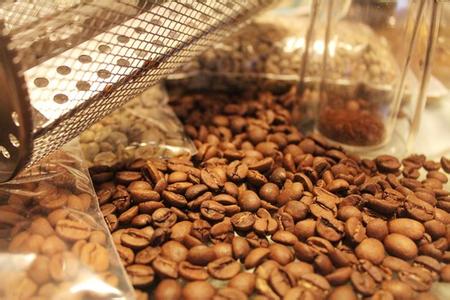
Yemeni Coffee Features and Markets of Yemeni Coffee
Yemen was known as Arabia until the 6th century AD, so coffee trees transported from Yemen to other places were also called Arabic coffee trees. But the origin of these trees is Ethiopia. Yemen was the first country in the world to produce coffee on a large scale as an agricultural crop. Yemeni coffee farmers still produce coffee the same way they did 500 years ago.
Yemeni Coffee producing area Manor planting situation how Yemeni Coffee is grown and whether the number of Coffee beans is large
For more information on coffee beans, please follow the coffee workshop (Wechat official account cafe_style) Coffee production in Yemen: bean-shaped berry coffee beans (Peaberrybean): these beans are smaller and rounder than most and look like peas, sometimes called mocha beans. The shape of mocha coffee beans is similar to that of Hara (H.

Yemeni fine coffee beans with complete grain shape Flavor Taste Aroma Description Introduction
Mokha Ismaili: is one of the traditional ancient tree species, the market name for a famous coffee from central Yemen, and is also described as a botanical classification of traditional Yemeni coffee with high beverage quality. Grown at high altitudes, above 6500 feet, the beans are characterized by a more rounded shape, smaller bean shape than martali, thick taste, high complexity, average

Coffee in Yemen details the origin of coffee in Yemen
Before the 6th century AD, Yemen was called Arabia, so coffee trees shipped from Yemen to other places were also called Arabian coffee trees. But the origin of these trees is Ethiopia. Yemen is the first country in the world to produce coffee on a large scale as a crop. Today, coffee farmers in Yemen still use the same method to produce coffee as they did 500 years ago.

A brief introduction to the planting market price of Yemeni boutique coffee bean varieties with endless aftertaste
Yemeni coffee origin: Yemeni bean-shaped berry coffee beans (Peaberrybean): this coffee bean is smaller and rounder than most coffee beans and looks like peas, sometimes called mocha coffee beans. The shape of mocha coffee beans is similar to that of Ethiopia's Harrar coffee beans.

A brief introduction to the origin, development, history and culture of Yemeni boutique coffee beans with endless aftertaste
Yemeni coffee origin: Yemeni bean-shaped berry coffee beans (Peaberrybean): this coffee bean is smaller and rounder than most coffee beans and looks like peas, sometimes called mocha coffee beans. The shape of mocha coffee beans is similar to that of Ethiopia's Harrar coffee beans.

Introduction to the blending method of Italian coffee with a little knowledge and sour taste
First, sour espresso blending method: Colombia 30%, Brazil 60%, Guatemala 10%, general mixed coffee blending method: Colombia 30%, Brazil 60%, Robusta 10%. Third, bitterness mixed commercial coffee blending method: Colombia 30%, Brazil 30%, Kilimanjaro 30%, Robusta 10%. There are two spellings of mixed beans: first bake and then mix